Common Types of Storm Damage That Require Roof Repair
People searching for storm damage roof repair are often trying to fix issues caused by hail, wind, or fallen debris, and local contractors can help restore and protect their roofs.
Property owners in the area who have recently experienced a storm or are preparing for seasonal weather changes often find it helpful to understand the common types of storm damage that require roof repair. Recognizing issues such as missing or damaged shingles, hail dents, or leaks caused by wind-driven rain can make a significant difference in maintaining the integrity of a building. Staying informed about these typical problems allows homeowners and business owners to better assess when professional roof repair services might be needed, helping to prevent further damage and costly repairs down the line.
Local contractors who specialize in storm damage roof repair are equipped to handle these common issues efficiently. Whether it’s repairing shingle damage after a hailstorm or addressing leaks caused by high winds, these service providers have the expertise to restore roofs to their proper condition. Exploring this topic can empower property owners to identify early signs of damage and seek the right assistance, ensuring their roofs remain strong and protective against future storms.
- Wind damage - when strong winds loosen or remove shingles, local contractors can assess and repair the affected areas to prevent further leaks.
- Hail damage - hail impacts can leave dents or cracks in roofing materials, prompting service providers to perform necessary repairs to restore roof integrity.
- Heavy rain and flooding - water intrusion caused by storm-related leaks can be addressed by local pros who specialize in sealing and patching compromised roof sections.
- fallen tree limbs - when falling branches damage roofing surfaces, service providers can quickly repair or replace damaged shingles and roofing materials.
- storm debris impact - debris striking the roof can cause punctures or cracks, and local contractors are equipped to inspect and restore the roof’s protective layers.
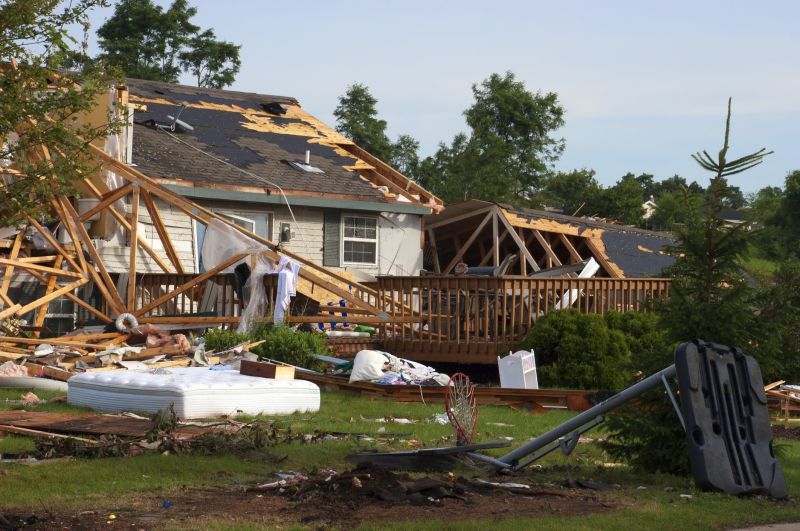
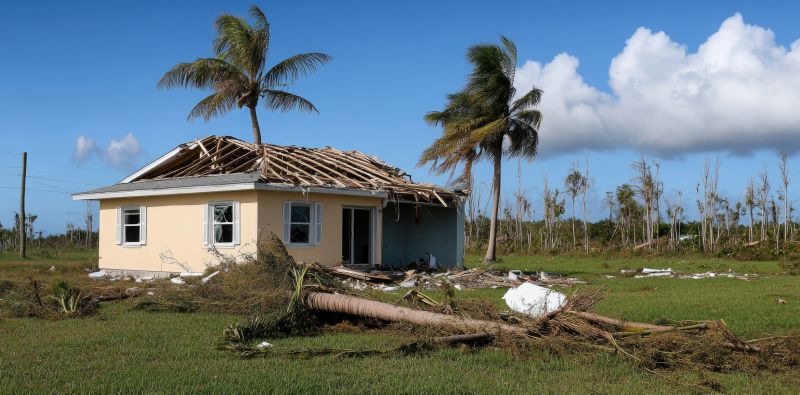
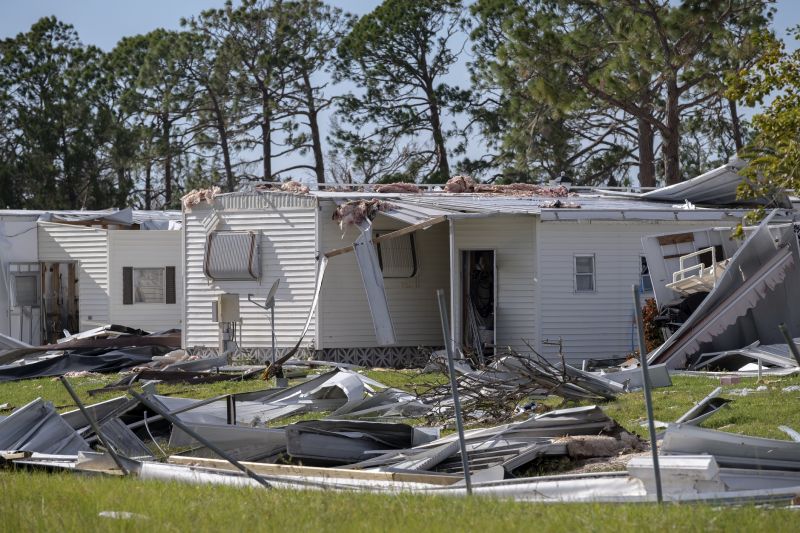
When homeowners search for information about common types of storm damage that require roof repair, they are often trying to understand the specific issues that storms can cause to their roofs. Storm damage can vary widely, but certain problems tend to recur after severe weather events. These issues may include physical damage such as missing or broken shingles, which compromise the roof’s ability to protect the home. Other common concerns involve leaks or water intrusion resulting from damaged flashing or compromised roofing materials. Recognizing these problems helps homeowners determine when professional roof repair is necessary to prevent further deterioration and maintain the integrity of their property.
The types of problems associated with storm damage often relate to the forces exerted by wind, hail, or heavy rain. High winds can lift or tear shingles, exposing underlying layers to the elements. Hailstones, especially larger ones, can cause dents, cracks, or punctures in roofing materials, weakening the overall structure. Heavy rain can lead to water infiltration if the roof’s surface is compromised, resulting in interior damage or mold growth. These issues typically require the attention of experienced roof repair contractors who can assess the extent of the damage, recommend appropriate fixes, and restore the roof’s protective function. Addressing storm-related problems promptly can help prevent more costly repairs down the line.
The types of properties most affected by storm damage tend to include residential homes, especially those with older or less durable roofing systems. Single-family houses, townhomes, and multi-family dwellings are all vulnerable if their roofs are not designed to withstand extreme weather. Commercial properties, such as small retail stores or office buildings, can also experience storm-related damage that impacts their roofing systems. The damage often depends on the roof’s construction, materials used, and overall age. Local contractors who specialize in storm damage roof repair are familiar with the common vulnerabilities of various property types and can provide tailored solutions to restore and reinforce roofs after storms.
Understanding the common types of storm damage that require roof repair helps homeowners recognize the signs of trouble and seek timely professional assistance. Whether it’s missing shingles after a windstorm, dents from hail, or leaks caused by heavy rain, these issues can compromise a roof’s ability to protect the home. Local service providers are equipped to handle these problems efficiently, offering repairs that restore the roof’s integrity and extend its lifespan. Connecting with experienced storm damage roof repair contractors ensures that properties are properly evaluated and repaired, minimizing the risk of future damage and safeguarding the home’s value and safety.
Shingle Replacement Projects - Professionals skilled in shingle replacement are often needed after storm damage to repair or replace damaged roofing materials caused by high winds or hail.
Roof Inspection Services - Local contractors offering roof inspections can identify storm-related damage early, helping homeowners prioritize repairs for common storm damage types.
Gutter and Drainage System Repairs - Storm damage often affects gutters and drainage, requiring specialists who can ensure proper water flow to prevent further roof issues.
Roof Leak Repair Projects - Detecting and sealing leaks caused by storm impacts is a key service provided by local roof repair experts to prevent interior water damage.
Storm Damage Restoration - Service providers experienced in storm damage restoration can handle extensive repairs resulting from hail, wind, or debris impacts on roofs.
Emergency Roof Tarping Services - When storm damage causes immediate roof vulnerabilities, local contractors can provide emergency tarping to protect the property until permanent repairs are made.
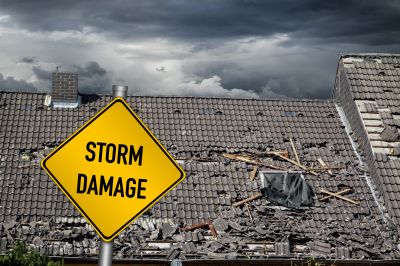
When evaluating service providers for storm damage roof repair, it is important to consider their experience with similar projects. Homeowners should look for local contractors who have a proven track record of handling various types of storm damage, such as hail dents, wind uplift, or fallen debris. An experienced professional will understand the common issues caused by storms and be familiar with the best repair practices, helping to ensure the work is done effectively and efficiently.
Clear written expectations are essential when comparing local contractors. Homeowners should seek providers who can offer detailed descriptions of the scope of work, materials used, and the repair process. Transparent communication about what to expect helps prevent misunderstandings and provides peace of mind. Reputable service providers will also be willing to address questions and clarify any concerns before starting the project, fostering a collaborative approach to storm damage repairs.
Reputable references and good communication are key factors in selecting a reliable contractor. Homeowners are encouraged to ask for references from previous clients who experienced similar storm damage repairs. This can provide insight into the contractor’s workmanship and professionalism. Additionally, effective communication throughout the project ensures that homeowners stay informed about progress, any issues that arise, and the next steps. Choosing local service providers known for responsiveness and clear dialogue can make the repair process smoother and more straightforward.
Property owners often search for common types of storm damage that require roof repair when they are planning practical projects around their homes and businesses. Local pros provide Storm Damage Roof Repair services for everyday jobs and straightforward project options.
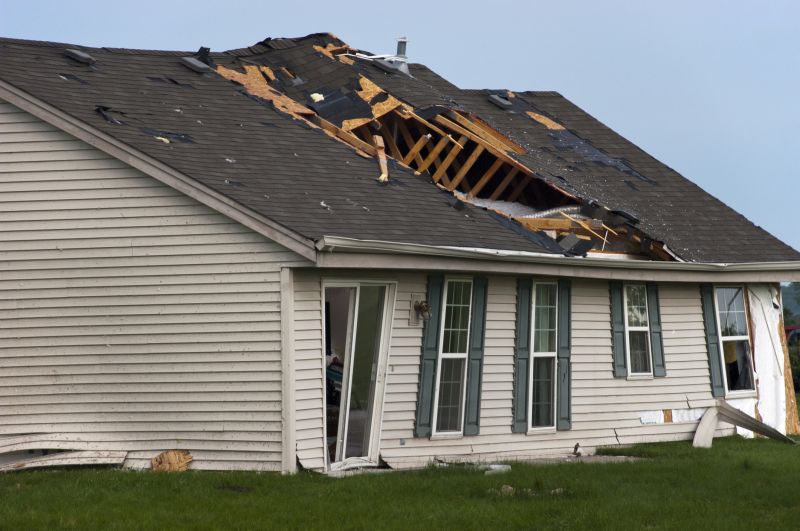
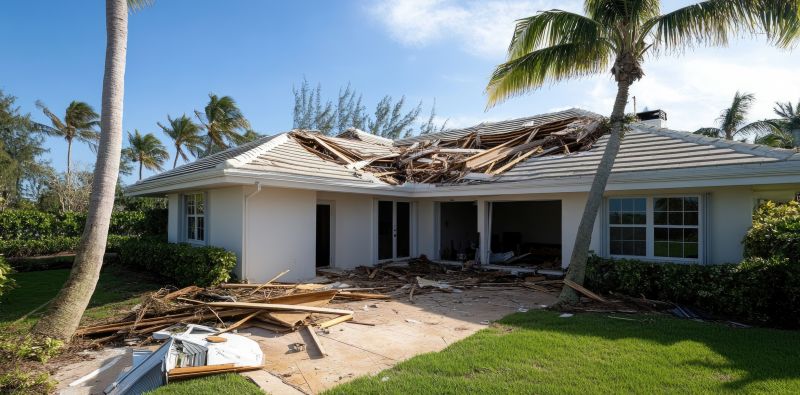
Storm damage can significantly impact the integrity of a roof, leading property owners to seek professional repair services. Common types of storm damage that require roof repair include missing or displaced shingles caused by high winds, which can expose the underlying structure to the elements. Hail can also cause dents, cracks, or punctures in roofing materials, compromising their ability to protect the home. Additionally, heavy rain during storms can lead to leaks if the roof’s flashing or sealants are damaged or deteriorated, making timely repairs essential to prevent further interior issues.
Property owners in the area often look into storm damage roof repair services after severe weather events to address these issues promptly. Local contractors are equipped to assess the damage caused by wind, hail, or rain and perform necessary repairs to restore the roof’s protective function. Whether it’s replacing missing shingles, sealing leaks, or repairing hail dents, experienced service providers can help ensure the roof remains durable and weather-resistant against future storms.
What are common types of storm damage that require roof repair? Common storm damage includes wind-driven damage, hail impact, fallen tree branches, roof leaks from heavy rain, and damage caused by flying debris, all of which may necessitate professional roof repair services.
How does hail damage affect roofs during storms? Hail can cause dents, cracks, and punctures in roofing materials, compromising the roof’s integrity and leading to potential leaks that require prompt repair by local contractors.
Can strong winds cause damage to my roof? Yes, high winds can lift or tear shingles, loosen flashing, and dislodge roof components, making roof repairs necessary to prevent further damage or leaks.
What storm-related damage is caused by falling tree branches? Falling branches can puncture or crack roofing materials, dislodge shingles, and damage gutters, often requiring immediate roof repair from experienced service providers.
When should roof repair be considered after storm damage? Roof repair should be considered whenever storm damage has resulted in visible issues such as missing shingles, leaks, dents, or structural damage, which local contractors can address efficiently.
Wind Damage - Strong winds can lift or tear shingles, making it important to have local contractors assess and repair the roof promptly after a storm.
Hail Damage - Hail can cause dents or cracks in roofing materials, and local service providers can evaluate and restore the roof’s integrity.
Fallen Debris - Storms often leave branches or other debris on roofs, requiring professional removal and repair to prevent further damage.
Leaking Roofs - Heavy rain associated with storms can lead to leaks, and local pros can identify and fix leaks caused by storm-related damage.
If you are thinking about common types of storm damage that require roof repair for a property, this guide is meant to help you understand this topic, the typical project types, and how different options might fit your plans.
When you are ready, you can use the quote form on this page to share a few details about your project. From there, local pros can review the basics and follow up with options that match what you have in mind.