Roof Repair for Wind Damage vs. Hail Damage
People seeking roof repair for wind damage vs. hail damage aim to restore and protect their roofs, and local contractors can efficiently handle these specific repair needs.
Property owners in the area often find themselves wondering about the best way to address roof damage caused by storms, whether from wind or hail. Understanding the differences between roof repair for wind damage vs. hail damage is important for making informed decisions about inspections and repairs. Wind can cause shingles to lift or blow off, leading to vulnerabilities that may require immediate attention, while hail tends to leave behind dents, cracks, or punctures that compromise the roof’s integrity over time. Recognizing these distinct types of damage helps property owners determine when professional assessment and repair services are needed to protect their investment.
Local contractors who specialize in roof repair are well-equipped to evaluate storm-related damage and recommend the appropriate course of action. They can identify whether wind or hail has caused the issues and provide repairs tailored to each type of damage. This expertise ensures that roofs are restored effectively, helping to prevent further problems down the line. If storm damage has affected a property, exploring the differences between wind and hail damage can be a practical step toward understanding what repairs might be necessary and connecting with experienced service providers to handle the job. Keep reading to learn more about how local pros can assist in restoring storm-damaged roofs.
- homeowners experiencing wind damage may need roof repair to address uplifted or missing shingles, with local contractors focusing on securing the roof structure and replacing damaged materials. - after a hailstorm, residents often seek roof repair for hail damage to repair dented or cracked roofing components, with local service providers inspecting for hidden impacts and restoring roof integrity. - wind damage-related roof repairs typically involve fixing loose flashing and torn shingles caused by high winds, with local pros ensuring the roof is properly secured to withstand future storms. - hail damage repairs often require detailed inspection for cosmetic and structural issues, with local contractors carefully replacing impacted areas to prevent leaks and further deterioration. - in cases of wind damage, roof repair services focus on restoring the roof’s wind resistance, while hail damage repairs prioritize addressing impact marks and preventing water intrusion, with local pros tailoring their approach accordingly.

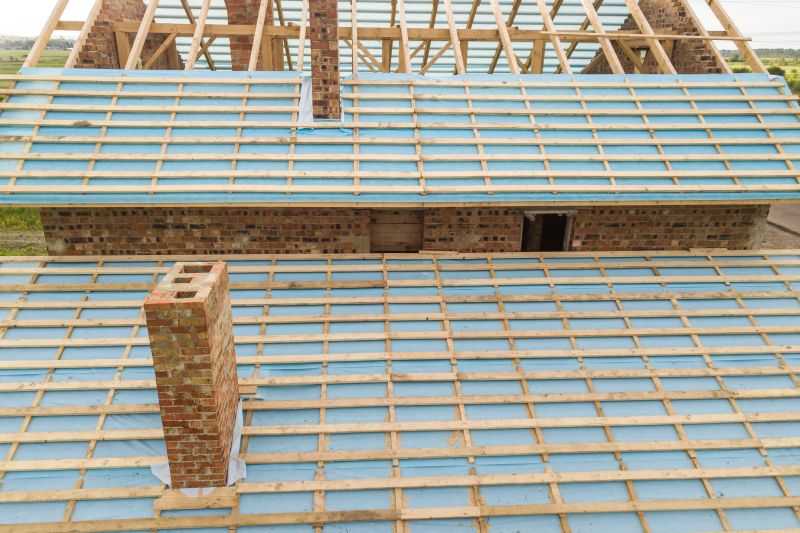
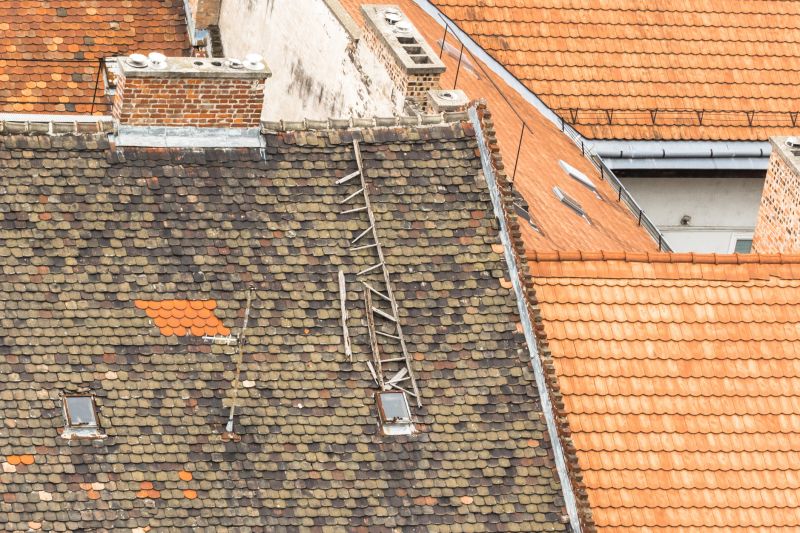
When homeowners search for information about roof repair for wind damage versus hail damage, they are often trying to understand the specific impacts different weather events can have on their roofs. Wind damage typically refers to issues caused by strong gusts, such as missing or loose shingles, uplifted roofing materials, or even structural damage if the wind is severe enough. Hail damage, on the other hand, involves the physical impact of hailstones that can leave dents, cracks, or bruises on roofing surfaces. People looking into this topic usually want to identify what kind of damage their roofs have sustained and determine the appropriate repair or replacement needs. Recognizing the type of damage is essential for planning repairs, especially since different weather conditions tend to cause distinct issues that local contractors can address effectively.
The problems associated with wind damage often relate to the integrity of the roof's surface and its ability to withstand further weather events. High winds can dislodge shingles, expose underlying layers, or even cause debris to puncture or tear roofing materials. Repair plans for wind damage typically involve replacing missing shingles, resealing loose areas, or reinforcing vulnerable sections. Conversely, hail damage tends to create visible dents, cracks, or granule loss on asphalt shingles, which can compromise the roof’s protective qualities over time. Repair strategies for hail damage may include patching or replacing damaged shingles, inspecting for underlying issues, and sometimes installing impact-resistant roofing materials. Both types of damage require prompt assessment by local service providers to prevent further deterioration and ensure the roof remains secure.
Various property types are affected by wind and hail damage, with residential homes being the most common. Single-family houses with asphalt shingle roofs are especially vulnerable, as their materials can be easily impacted by hail or uplifted by wind. Multi-family buildings, including apartment complexes, often face similar issues but may also have more complex roofing systems that require specialized repairs. Commercial properties with flat or metal roofs are not immune; strong winds can cause loose panels or structural movement, while hail can dent or puncture metal surfaces. Regardless of property size or type, understanding the specific weather-related risks helps homeowners and property managers identify the right local pros for repairs. These professionals can evaluate the damage, recommend appropriate solutions, and help restore the roof’s protective function effectively.
Understanding the differences between roof repair for wind damage and hail damage is crucial for homeowners dealing with storm-related issues. Local contractors experienced in storm damage repairs are equipped to handle the unique challenges posed by each weather event. They can perform thorough inspections to determine whether the damage stems from wind, hail, or a combination of both, and then recommend the appropriate repair plan. Whether it’s replacing missing shingles after a windstorm or addressing dents and cracks caused by hail, these service providers have the expertise to restore the roof’s integrity. Recognizing the specific type of damage helps ensure that repairs are targeted and effective, reducing the risk of future problems and extending the lifespan of the roof. Connecting with qualified local pros can make the process of addressing storm damage more straightforward and efficient for homeowners.
Storm damage restoration - professionals skilled in repairing roofs affected by high winds or hail can also handle other storm-related repairs such as siding and gutter fixes.
Roof inspection and assessment - local contractors who evaluate damage from wind or hail can also identify issues with skylights, chimneys, and flashing that may need repair.
Gutter and downspout repair - services that address damage caused by hail or wind often include fixing or replacing gutters that have been compromised during storms.
Roof sealing and waterproofing - experts in sealing damaged roofs can also provide waterproofing services for vulnerable areas affected by hail or wind impacts.
Emergency roof tarp services - local service providers offering quick temporary fixes for storm damage can also assist with protecting roofs from further harm after wind or hail events.
Vent and chimney repair - repair services for storm-related damage often extend to vents and chimneys that can be affected during wind or hail storms.
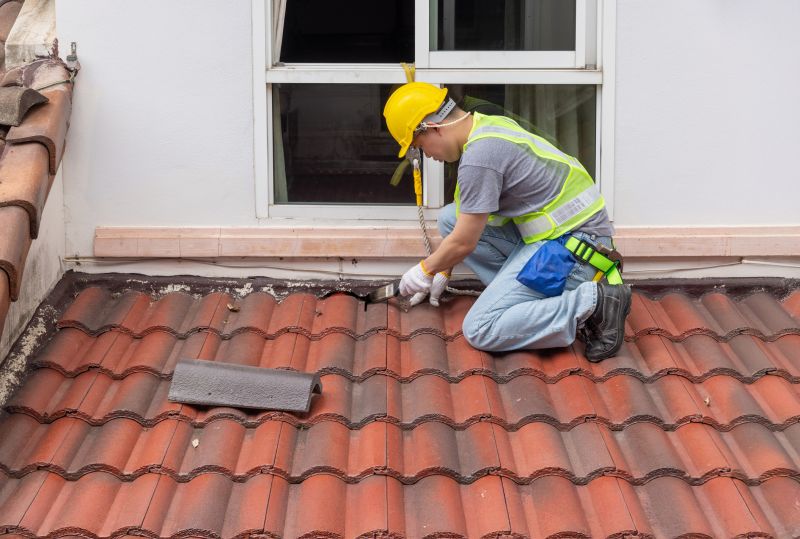
When evaluating service providers for roof repair related to wind damage versus hail damage, it is important to consider their experience with similar projects. Local contractors who have handled repairs for both types of storm damage often understand the unique challenges each presents, such as different impacts on roofing materials and the specific assessment techniques required. An experienced professional can identify subtle signs of damage that might be overlooked by less seasoned providers, ensuring that the repair work addresses all affected areas and helps prevent future issues.
Clear written expectations are essential when comparing local pros for roof repair services. A reputable contractor should be able to provide detailed descriptions of the scope of work, materials to be used, and the process involved in repairing storm-related damage. This transparency helps homeowners understand what to expect, reduces the risk of misunderstandings, and ensures that all parties are aligned on project goals. Well-documented plans also serve as a useful reference throughout the repair process, making it easier to track progress and address any concerns that may arise.
Reputable references and effective communication are key factors when choosing a local contractor for roof repairs. Service providers with a history of successful projects and satisfied clients can offer insights into their reliability and quality of work. Good communication involves timely updates, straightforward explanations of the repair process, and responsiveness to questions or concerns. These qualities help homeowners feel confident in the contractor’s ability to handle the specific requirements of roof repair for wind damage versus hail damage, leading to a smoother and more predictable repair experience.
Property owners often search for roof repair for wind damage vs. hail damage when they are planning practical projects around their homes and businesses. Local pros provide Roof Repair services for everyday jobs and straightforward project options.
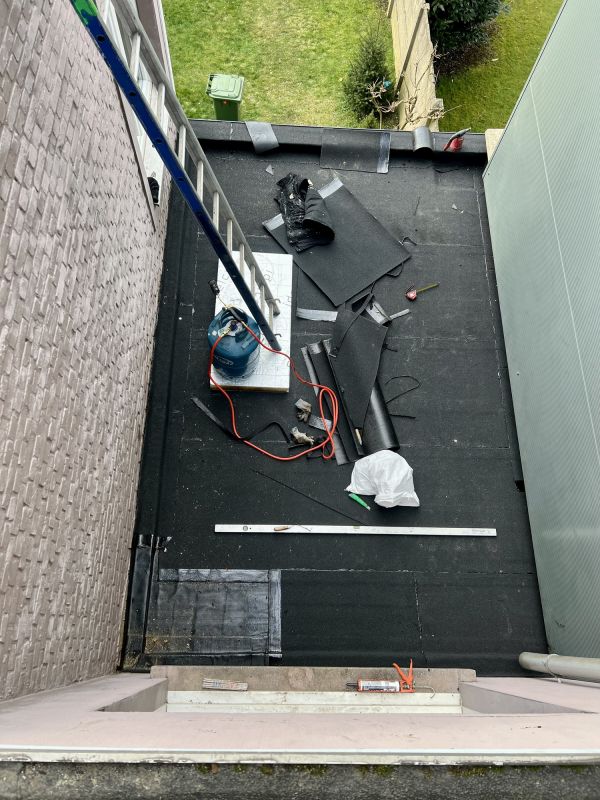
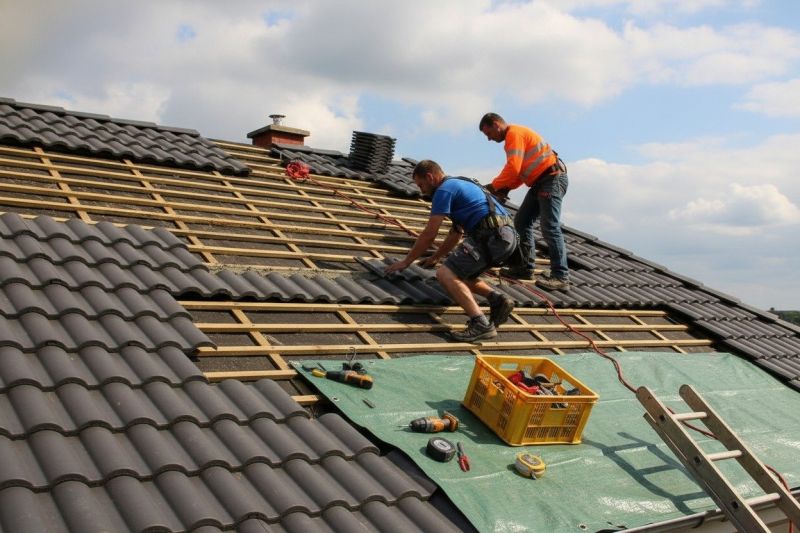
Homeowners in the area often look up roof repair for wind damage vs. hail damage after severe weather events. Wind can cause shingles to loosen or blow off entirely, leading to exposed roofing layers that require prompt repairs to prevent further issues. Hail, on the other hand, tends to leave behind visible dents and cracks in roofing materials, which may compromise the roof’s integrity over time. Property owners seeking to restore their roofs after such incidents typically turn to local contractors who specialize in assessing storm-related damage and performing repairs that restore safety and durability.
Understanding the differences between wind and hail damage can help property owners determine the appropriate repair approach. Wind damage often involves fixing loose or missing shingles and reinforcing the roof structure, while hail damage may require replacing damaged panels or addressing potential leaks caused by impact marks. Local service providers experienced in storm-related roof repair can evaluate the specific type of damage and recommend suitable solutions. Connecting with these professionals ensures that repairs are handled efficiently and effectively, helping property owners protect their homes from future weather-related issues.
How does roof repair for wind damage differ from hail damage? Wind damage often causes shingles to lift, blow off, or develop tears, while hail damage typically results in dents, cracks, or bruising on the roofing surface. Local contractors can assess the specific type of damage to determine the appropriate repair approach.
Can a roof repair for wind damage address hail damage issues? Yes, many roof repairs can address both wind and hail damage if they occur together. Service providers can evaluate the extent of each damage type to recommend necessary repairs or replacements.
What signs indicate the need for roof repair after wind or hail damage? Visible signs include missing or damaged shingles, dents, cracks, or granule loss. An inspection by local pros can identify less obvious issues that may require repair or reinforcement.
Are repairs for wind damage and hail damage handled differently? While both types of damage may require similar repairs, specific damage patterns can influence repair methods. Local service providers tailor their approach based on the damage type and severity.
How can I tell if my roof needs repair for wind damage versus hail damage? Damage from wind often involves uplift and missing shingles, whereas hail damage usually presents as dents or bruises. An inspection from local roof repair specialists can determine the damage origin and necessary repairs.
Assessing damage types - property owners can learn to identify signs of wind or hail damage to determine if roof repair services are needed.
Choosing the right repair approach - understanding how wind damage differs from hail damage helps in selecting appropriate repair methods with local contractors.
Prioritizing repairs after storms - planning for prompt roof inspections following wind or hail events ensures damage is addressed before worsening.
Understanding insurance considerations - knowing how damage types impact insurance claims can guide property owners in working effectively with local service providers.
If you are thinking about roof repair for wind damage vs. hail damage for a property, this guide is meant to help you understand this topic, the typical project types, and how different options might fit your plans.
When you are ready, you can use the quote form on this page to share a few details about your project. From there, local pros can review the basics and follow up with options that match what you have in mind.